


The desire for prosperity is something people across different cultures and backgrounds share. Whether you are hoping to improve your financial situation, grow a business, find better employment opportunities or create a more secure future for your family, the pursuit of abundance is an important part of many people’s lives.
Throughout history, different spiritual traditions have developed practices associated with prosperity, financial blessings, good fortune and new opportunities. These practices include prayer, spiritual cleansing, intention-setting, meditation and the symbolic use of herbs.
African spiritual traditions also contain beliefs and customs connected to abundance, protection, blessings and responsible living.
But what are the spiritual ways to attract prosperity? Which herbs are traditionally associated with wealth and abundance? And how can spiritual practices complement the practical steps needed to improve your financial circumstances?
In this guide, we explore traditional perspectives on prosperity, five herbs associated with abundance, spiritual practices for financial reflection and practical ways to work towards a more secure future.
1. Understanding Prosperity and Abundance in African Spiritual Traditions

Prosperity is often associated with money and material wealth, but the concept of abundance can be much broader.
For some people, prosperity means having enough money to provide for their families. For others, it means business success, good health, meaningful relationships, opportunities, peace of mind and the freedom to pursue personal goals.
In various African spiritual traditions, blessings, provision, protection and harmony are important themes. However, African spirituality is diverse. Beliefs and practices differ between communities, families and individual practitioners.
Some traditions associate prosperity with gratitude, spiritual wellbeing, positive intentions, respect for cultural customs and the responsible use of resources.
From this perspective, abundance is not simply about receiving money. It also involves developing the wisdom to recognise opportunities, the discipline to make responsible decisions and the generosity to use resources meaningfully.
Spiritual practices may provide encouragement, reflection and a sense of purpose. However, no ritual, prayer or herb can guarantee wealth or replace practical financial planning.
If you are interested in understanding the broader cultural background, explore our guide to African spirituality and its traditional beliefs.
2. Five Traditional Herbs Associated with Wealth and Prosperity

Herbs and spices have played important roles in traditional practices across many cultures. Some are associated symbolically with prosperity, good fortune, protection, success and new beginnings.
The following five herbs and spices are commonly mentioned in prosperity-themed spiritual practices.
1. Basil: A Symbol of Prosperity and New Beginnings
Basil is associated with prosperity, renewal and good fortune in various cultural and spiritual traditions.
Its fresh fragrance and vibrant green leaves make it a popular ingredient in symbolic abundance practices.
Some traditional beliefs associate basil with:
- Financial opportunity and prosperity.
- Positive beginnings.
- Business growth and success.
- Harmony within the home.
Basil can also be grown as a useful culinary herb. Keeping a healthy basil plant in a garden or kitchen can serve as a reminder of growth, patience and renewal.
2. Cinnamon: Symbolism of Success and Abundance
Cinnamon is widely used in traditional prosperity-themed rituals and symbolic practices.
Its warm fragrance is associated in some traditions with abundance, attraction, motivation and success.
Cinnamon may feature in:
- Prosperity-themed candle rituals.
- Symbolic offerings.
- Personal intention-setting practices.
- Spiritual preparations associated with success.
These are cultural and spiritual associations, not scientifically established ways of increasing income.
3. Cloves: Traditional Associations with Protection and Good Fortune
Cloves are aromatic flower buds used in cooking, traditional preparations and various cultural practices.
In some spiritual traditions, cloves are associated with protection, good fortune, prosperity and overcoming obstacles.
They may appear in symbolic practices intended to represent:
- Financial progress.
- Protection of personal resources.
- Business opportunities.
- Positive intentions.
Their spiritual significance depends on the particular culture and tradition.
4. Bay Leaves: A Symbol of Achievement and Opportunity
Bay leaves have a long history of symbolic use in different cultural traditions.
They are commonly associated with achievement, victory, protection and the fulfilment of intentions.
Some prosperity practices involve writing a personal goal on a bay leaf and using it as a symbolic reminder of that intention.
For example, someone working towards opening a business might use a bay leaf as a reminder to remain focused, prepare carefully and take consistent action.
The symbolic practice does not guarantee that the business will succeed. Its value lies in the personal meaning and intention attached to it.
5. Ginger: Energy, Motivation and Progress
Ginger is valued for its distinctive aroma and its use in cooking and traditional preparations.
In some spiritual and cultural practices, ginger is associated with energy, movement, motivation and progress.
Its symbolic associations make it an ingredient in certain prosperity-themed rituals.
Ginger can also be incorporated into everyday cooking, making it a practical household ingredient rather than something that needs to be purchased specifically for a spiritual ritual.
An important note about herbs: Never assume that an herb is safe to consume, burn or apply to the skin simply because it appears in a traditional practice. Check its suitability, avoid unidentified plants and consider allergies, pregnancy, medication interactions and respiratory sensitivities. Keep burning materials away from children, pets and flammable objects.
3. Traditional Spiritual Practices Associated with Prosperity
Prosperity rituals differ across cultures, families and spiritual traditions. Some are simple personal practices, while others involve specific customs that require appropriate cultural understanding.
Here are several examples of practices associated with abundance and good fortune.
Spiritual Cleansing and Preparing for New Opportunities
In some traditions, spiritual cleansing represents renewal, reflection and preparing for a new chapter.
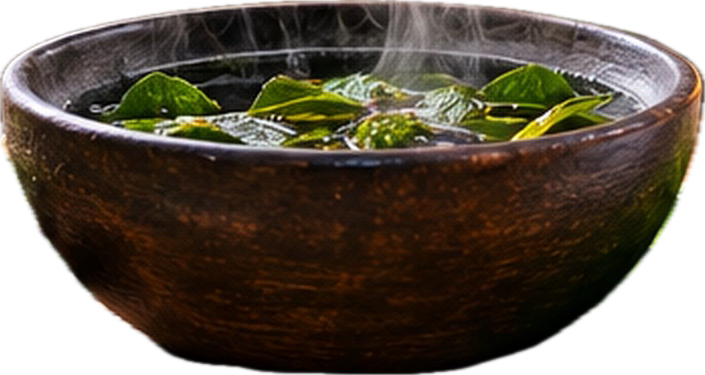
When connected with prosperity, cleansing may symbolise making room for better habits, opportunities and a more focused approach to life.
A simple personal routine might involve:
- Cleaning and organising your home or workspace.
- Opening windows to allow fresh air and natural light.
- Taking quiet moments for prayer or reflection.
- Reviewing habits that may be preventing progress.
- Writing down important personal and financial goals.
These activities can help create a sense of renewal and organisation.
For a deeper explanation of traditional cleansing beliefs, read our article on what spiritual cleansing means and how it is practised.
Prayer and Intention-Setting
Prayer is important in many spiritual traditions. People may pray for wisdom, provision, employment, business success, protection and the ability to make responsible decisions.
Some people also use intention-setting to clarify what they want to achieve.
Rather than simply wishing for more money, you might set an intention to develop a new skill, improve your business, find additional customers or manage your resources more effectively.
Some spiritual traditions incorporate candles, prayers or symbolic objects into this process.
The most meaningful approach is to connect your intention with a realistic plan.
Candle Rituals and Symbolic Practices
Candles have symbolic meanings in numerous spiritual traditions. Depending on the culture, they may represent hope, reflection, prayer, clarity or new beginnings.
Some prosperity-themed traditions use candles during prayer or meditation.
If you choose to use a candle, practise fire safety. Never leave it burning unattended or place it near curtains, dry herbs, children or other combustible materials.
Gratitude and Recognising Existing Blessings
Gratitude is another practice found in many spiritual and personal development traditions.
Taking time to appreciate the resources, opportunities and support already available can help people reflect on their priorities.
A simple daily gratitude practice could involve writing down three things you appreciate and one action you can take towards improving your circumstances.
4. The Connection Between Spiritual Cleansing and Financial Renewal
People sometimes associate financial difficulties with spiritual obstacles. While these beliefs exist in different traditions, it is important not to assume that every financial challenge has a supernatural cause.
Unemployment, business losses, debt, poor financial decisions, economic conditions and unexpected expenses can all affect a person’s financial circumstances.
Spiritual cleansing may nevertheless hold personal or cultural significance for someone who wants to mark a fresh beginning.
Some people combine cleansing practices with practical steps such as organising their finances, reviewing business plans, addressing outstanding debts and setting new goals.
For more information, read our guide to spiritual protection and traditional practices.
5. A Prayer for Prosperity, Wisdom and Financial Opportunities
Prayer is an important part of many people’s spiritual lives. Those seeking prosperity may pray for provision, employment, business opportunities, wisdom and the ability to use their resources responsibly.
The following is a personal reflective prayer that can be adapted to individual beliefs.
A Prayer for Wisdom, Provision and New Opportunities
May I recognise the opportunities available to me.
May I have the wisdom to make responsible decisions, the discipline to work towards my goals and the courage to overcome difficulties.
May my efforts bring meaningful progress. May I use my resources wisely, appreciate the support of others and remain grateful as I work towards a more secure future.
May new opportunities come into my life, and may I have the knowledge and strength to make good use of them.
May my success also create opportunities to help and uplift others.
This prayer is intended for personal reflection. It is not a guarantee that financial difficulties will disappear.
6. Five Practical Ways to Work Towards Financial Prosperity
One of the most important aspects of pursuing prosperity is understanding that spiritual practices should complement practical action.
A person can pray for business success, but building a sustainable business still requires planning, customers, financial management and consistent work.
Likewise, someone seeking employment opportunities must develop relevant skills, identify vacancies and prepare for applications.
Consider the following practical steps.
Set Clear Financial Goals
Decide what you want to achieve.
Your goals might include:
- Increasing your monthly income.
- Paying off outstanding debts.
- Starting a small business.
- Growing an existing business.
- Saving towards land or a home.
- Building an emergency fund.
Write down your goals and identify the actions needed to achieve them.
Develop Skills That Create Opportunities
Learning new skills can improve your ability to earn income and recognise opportunities.
Consider skills that are relevant to your industry, business interests or employment goals.
You do not necessarily need an expensive course. There are many affordable educational resources available online.
Manage Your Money Carefully
Keep records of your income and expenditure.
Identify unnecessary costs, review outstanding debts and create a realistic savings plan.
Even small improvements in financial management can make a difference over time.
Explore Additional Income Opportunities
Consider whether you can:
- Introduce a new product or service.
- Reach more potential customers.
- Improve your marketing.
- Develop an additional income stream.
- Build useful professional relationships.
Remain Consistent and Patient
Financial progress often takes time.
Set realistic targets, review your results and adjust your approach when necessary.
Spiritual reflection may encourage hope and determination, but consistent action is what turns plans into measurable progress.
7. Common Myths About Spiritual Prosperity
There are many claims online about wealth rituals, money-attracting herbs and guaranteed prosperity. It is important to approach these claims carefully.
Myth 1: A prosperity ritual guarantees wealth.
There is no reliable evidence that a ritual can guarantee financial success. Traditional rituals are expressions of cultural and spiritual beliefs.
Myth 2: Certain herbs automatically attract money.
Herbs such as basil, cinnamon, cloves, bay leaves and ginger have symbolic meanings in some traditions. They do not have scientifically established money-attracting properties.
Myth 3: Financial difficulties always indicate a spiritual problem.
Financial challenges can result from many factors, including unemployment, business losses, debt, economic conditions and unexpected expenses. They should not automatically be interpreted as evidence of spiritual interference.
Myth 4: You must pay large sums for a prosperity ritual to work.
Be cautious of anyone demanding escalating payments, threatening you with misfortune or promising guaranteed wealth in exchange for expensive rituals.
A trustworthy spiritual practitioner should communicate clearly, respect your decisions and avoid using fear or financial pressure.
Our guide on how to avoid spiritual scams explains warning signs to look out for when seeking spiritual services.
8. When Should You Seek Personal Spiritual Guidance?
Some people prefer to explore traditional spiritual practices independently. Others seek guidance from a practitioner who understands their cultural or spiritual background.
Personal spiritual guidance may provide an opportunity to discuss questions about traditional beliefs, personal intentions, cleansing practices and spiritual reflection.
When choosing a practitioner, consider whether they:
- Explain their approach clearly.
- Communicate fees before beginning any work.
- Respect your privacy and personal boundaries.
- Avoid guaranteeing financial results.
- Do not pressure you into repeated payments.
- Encourage responsible personal decisions.
Carlos Mukuru approaches spiritual guidance from a traditional African spiritual perspective, with an emphasis on understanding individual concerns and discussing appropriate spiritual practices.
If you would like to learn more about his background, visit the About Carlos Mukuru page.
You can also learn about the principles behind his work through the HerbalHealer approach to spiritual guidance.
If you wish to discuss your personal circumstances, you can request a private spiritual consultation.
9. Final Thoughts: Build a More Abundant Future
The desire for prosperity is about more than money. It can represent security, opportunity, personal fulfilment and the ability to provide for the people who matter most.
Traditional spiritual practices involving herbs, prayer, cleansing and intention-setting hold different meanings across cultures. For many people, they offer a way to reflect on their lives, express gratitude and maintain hope.
However, lasting financial progress also requires practical decisions, discipline, preparation and consistent effort.
You can embrace the spiritual traditions that are meaningful to you while taking responsibility for your financial future.
If you are interested in exploring traditional African spiritual perspectives on prosperity, abundance and personal guidance, you may wish to learn more about the approach offered by Carlos Mukuru.
Explore HerbalHealer’s spiritual guidance services or learn more about Carlos Mukuru.
Disclaimer: This article discusses cultural and spiritual beliefs for educational purposes. It does not promise wealth, financial success or guaranteed outcomes, and it is not a substitute for professional financial advice.

